
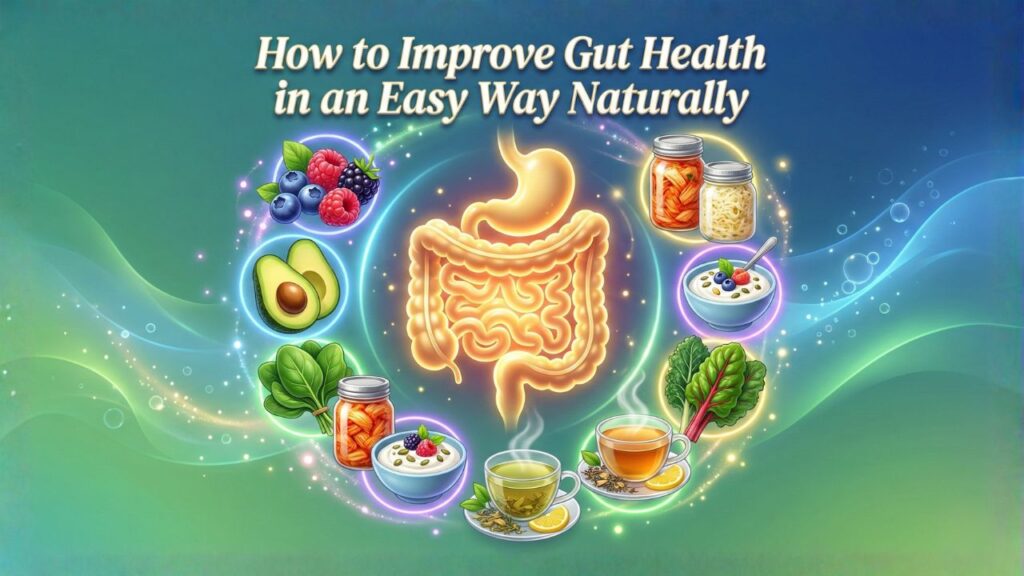
A Simple Guide to Boosting Your Gut Health Naturally
When people talk about health today, one phrase appears again and again: gut health. But gut health means more than just digestion. It affects your immunity, mood, skin, weight, and overall energy levels. Therefore, understanding it is essential for anyone wanting to live a healthier and more balanced life. In this article, we will explore why gut health is important, how it affects the body, and most importantly, how you can improve gut health using simple everyday habits.
What Does Gut Health Really Mean?
To begin with, gut health means the balance and well-being of the microorganisms living inside your digestive system. These microorganisms are called the gut microbiome, and they include bacteria, fungi, and even viruses. While some people assume bacteria are harmful, the truth is the opposite. Good bacteria help you digest food, absorb nutrients, fight inflammation, and even regulate hormones.
Moreover, scientists now say that the gut is like a “second brain” because it communicates with your nervous system. This connection is known as the gut-brain axis, which explains why stress can upset your stomach and why poor digestion can affect your mood.
Why Is Gut Health Important?
It’s important for several reasons:
- Digestion & Nutrient Absorption
A healthy gut helps your body break down food efficiently and absorb vitamins and minerals. - Stronger Immunity
Surprisingly, almost 70% of your immune system exists in the gut. So, when your gut is healthy, your body is better at fighting illnesses. - Better Skin Health
Gut issues can cause acne, eczema, and inflammation. That is why many dermatologists now teach how to improve gut health for acne as part of skin treatment. - Mood Balance
Because the gut produces serotonin (the “happy hormone”), a disturbed gut can lead to anxiety, mood swings, or fatigue. - Healthy Weight
Good bacteria help regulate appetite, cravings, and metabolism.
Due to all these reasons, experts keep emphasizing why gut health is important for long-term well-being.
Common Signs Your Gut Needs Help
While gut problems vary from person to person, some common signs include:
- Bloating
- Gas
- Constipation
- Loose stool
- Sugar cravings
- Acne or dull skin
- Low energy
- Food intolerances
If you experience any of these regularly, it’s a clear signal that it’s time to learn how do I improve my gut health.
Foods That Improve Gut Health Naturally
One of the easiest ways to fix the gut is by eating food that supports good bacteria. Some of the best foods that improve gut health include:
1. Fermented Foods for Gut Health
These foods are rich in probiotics (good bacteria). Examples include:
- Curd or yogurt
- Kefir
- Kimchi
- Kombucha
- Sauerkraut
- Fermented pickles
Adding even a small portion daily can make a big difference. This is why nutritionists often recommend fermented foods for gut health as the first step toward healing the microbiome.
2. Prebiotic Foods for Gut Health
Prebiotics are the food for probiotics. They help good bacteria grow. Some great prebiotic foods for gut health are:
- Bananas
- Garlic
- Onions
- Whole grains
- Apples
- Oats
- Flax seeds
Together, probiotics and prebiotics create a strong foundation for a balanced gut.
3. Fiber-Rich Foods
Fiber helps digestion and prevents constipation. Include:
- Lentils
- Vegetables
- Fruits
- Beans
- Chia seeds
Fiber acts like a broom that cleans your digestive tract.
4. Healthy Fats
Omega-3 fats reduce gut inflammation. You can get them from:
- Flax seeds
- Avocado
- Nuts
- Olive oil
- Fatty fish
Worst Foods for Gut Health
Just as some foods nourish the gut, others damage it. The worst foods for gut health include:
- Excess sugar
- Fried foods
- Processed snacks
- Refined flour
- Soft drinks
- Too much alcohol
- Artificial sweeteners
These foods cause inflammation, kill good bacteria, and slow digestion. Reducing or avoiding them is one of the fastest ways to improve gut function.
Best Tea for Gut Health
If you enjoy warm drinks, adding herbal teas can be a soothing way to support digestion. Some of the best tea for gut health includes:
- Ginger tea
- Peppermint tea
- Fennel tea
- Chamomile tea
- Green tea
These work well because they reduce bloating, calm the intestines, and improve metabolism. So if someone asks about the best tea for gut health, these herbal varieties are great options.
Supplements for Gut Health
Although food should always come first, some people may benefit from supplements for gut health, especially if their digestion is very weak. Popular options include:
- Probiotics
- Prebiotics
- Digestive enzymes
- L-glutamine
- Zinc carnosine
- Collagen
Before starting any supplement, it’s wise to talk to a doctor, especially if you have medical conditions.
How to Improve Gut Health and Digestion
If your aim is to improve overall digestion, then following these steps consistently can help:
- Chew Your Food Properly
Digestion begins in the mouth. Chewing well reduces bloating and improves nutrient absorption. - Eat Slowly
Fast eating stresses the digestive system. - Drink Water Throughout the Day
Hydration keeps digestion smooth. - Avoid Overeating
Smaller, balanced meals reduce pressure on the gut. - Exercise Regularly
Even a 20-minute walk daily boosts gut movement. - Reduce Stress
Stress is one of the biggest enemies of gut balance. Try breathing exercises or meditation.
These habits not only help digestion but also teach you how to improve gut health and digestion effectively.
How to Improve Gut Health for Acne
Acne is not only a skin issue; often, it starts from inside the gut. To heal acne through gut care:
- Eat more probiotics
- Reduce dairy if it triggers breakouts
- Avoid processed sugar
- Drink herbal tea
- Include anti-inflammatory foods
- Manage stress
- Get enough sleep
This routine is perfect for anyone wanting to learn how to improve gut health for acne naturally.
Daily Routine: How Can I Improve My Gut Health?
If you are thinking, “How can I improve my gut health?”, here is a simple-to-follow daily routine:
- Morning: Warm water + fruit or oats
- Afternoon: Balanced meal with vegetables and whole grains
- Evening: Light dinner + herbal tea
- Daily: Add one fermented food
- Avoid: Junk food, deep-fried snacks, excess sugar
- Weekly: 3–4 days of exercise
- Always: Sleep 7–8 hours
Following this routine consistently can repair your gut within weeks.
Final Thoughts
To sum up, gut health is not just about digestion; it affects everything from immunity to skin. Knowing why gut health is important can motivate you to make small lifestyle changes that lead to big improvements. Fortunately, the path to a healthy gut is simple: eat real food, avoid junk, stay active, manage stress, and add fermented foods, prebiotic foods, and tea for gut health to your daily life.
When you take care of your gut, your gut takes care of you.