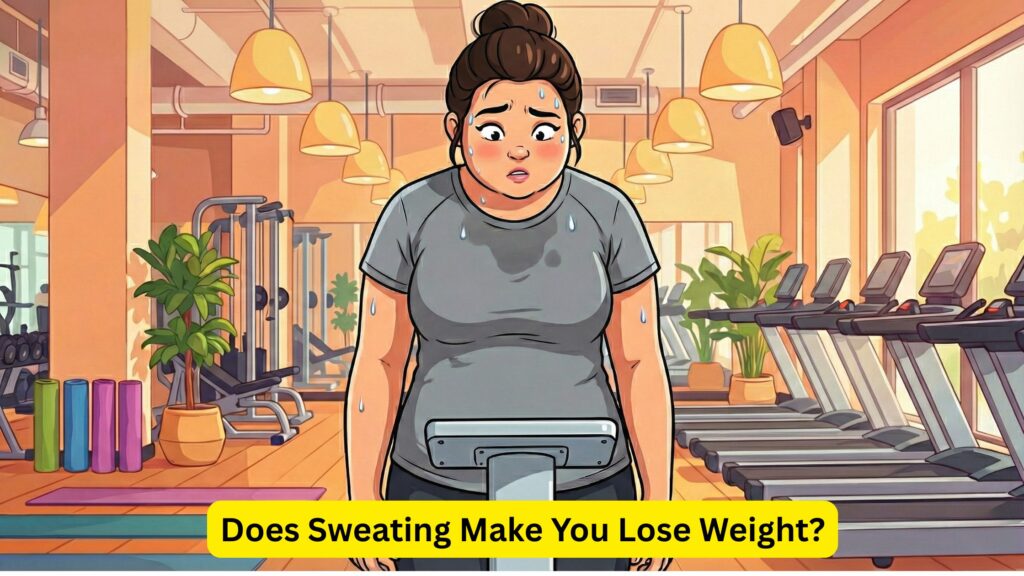
Many people believe that the more they sweat, the more weight they lose. From intense gym workouts to sauna sessions and sweat suits, sweating is often seen as a shortcut to fast weight loss. But does sweating make you lose weight, or is it just a temporary illusion on the weighing scale?
In this article, we’ll break down the science behind sweating, weight loss, fat burning, and hydration. We’ll also cover common myths, benefits of sweating, and healthy ways to lose weight effectively and safely.
What Is Sweating and Why Does the Body Sweat?
Sweating is a natural process controlled by your nervous system. Its primary purpose is to regulate body temperature, not to burn fat.
When your body heats up due to:
- Exercise
- Hot weather
- Stress or anxiety
- Spicy food
- Saunas or steam rooms
your sweat glands release moisture (mostly water and electrolytes) onto your skin. As this sweat evaporates, it cools your body down.
👉 Key point: Sweating is about cooling, not calorie burning.
Does Sweating Make You Lose Weight?
Short Answer: No, sweating does not directly cause fat loss
When you sweat, the number on the scale may go down, but this is temporary water weight loss, not real weight loss.
The weight you lose through sweating is mainly:
- Water
- Sodium
- Electrolytes
Once you drink fluids or eat food, the weight comes back.
So if you’re asking “does sweating help you lose weight permanently?”, the honest answer is no.
Why Do You Weigh Less After Sweating?
After intense exercise or a sauna session, you may notice:
- Reduced body weight
- Less bloating
- A slimmer appearance
This happens because:
- Your body has lost water through sweat
- Dehydration temporarily lowers body weight
However, this is not fat loss.
💡 Example:
If you lose 1 kg after sweating, most of it is water. Once you rehydrate, that 1 kg usually returns.
Does Sweating Burn Fat?
This is one of the most common fitness myths.
Sweating itself does NOT burn fat
Fat loss happens when:
- You burn more calories than you consume
- Your body enters a calorie deficit
- Stored fat is used for energy
Sweating may happen during fat-burning activities, but it is not the cause of fat loss.
👉 Correlation, not causation
You sweat while exercising, and exercise burns calories—but sweat itself is not burning fat.
Does More Sweat Mean More Calories Burned?
Not necessarily.
Some people sweat more than others due to:
- Genetics
- Body size
- Fitness level
- Climate
- Clothing
A person can:
- Sweat a lot with low calorie burn (hot yoga, sauna)
- Sweat less but burn more calories (strength training in cool weather)
So sweating more does not mean you’re burning more fat or calories.
Sauna, Steam Room, and Weight Loss: Does It Work?
Many people use:
- Saunas
- Steam rooms
- Sweat belts
- Sweat suits
to lose weight quickly.
Does sauna sweating help with weight loss?
✔ Temporary weight loss (water)
✖ No long-term fat loss
Saunas can help:
- Relax muscles
- Improve circulation
- Reduce stress
But they do not replace exercise or a healthy diet.
⚠️ Excessive sauna use can lead to:
- Dehydration
- Dizziness
- Electrolyte imbalance
Exercise, Sweating, and Real Weight Loss
Here’s where sweating gets misunderstood.
Exercise causes weight loss — not sweating
Exercise helps you lose weight because it:
- Burns calories
- Improves metabolism
- Builds muscle
- Increases fat oxidation
Sweating is simply a side effect of physical activity.
Best exercises for fat loss (with or without sweat):
- Walking
- Running
- Cycling
- Strength training
- HIIT workouts
- Swimming
Even if you sweat less, these exercises can still help you lose fat effectively.
Does Sweating Reduce Belly Fat?
No specific type of sweating targets belly fat.
❌ Spot reduction is a myth
✔ Overall fat loss reduces belly fat over time
Belly fat decreases when:
- You maintain a calorie deficit
- You stay consistent with exercise
- You eat a balanced diet
- You manage stress and sleep
Sweating alone will not flatten your stomach.
Benefits of Sweating (Other Than Weight Loss)
Although sweating doesn’t directly cause weight loss, it does have other benefits:
1. Helps regulate body temperature
Keeps your body cool during heat or exercise.
2. May support skin health
Sweat can help unclog pores when followed by proper cleansing.
3. Improves workout endurance
As your fitness improves, your body becomes better at cooling itself.
4. Indicates physical effort
Sweating shows your body is responding to exertion (but it’s not a measure of success).
Risks of Relying on Sweating for Weight Loss
Trying to lose weight by excessive sweating can be harmful.
Potential risks include:
- Dehydration
- Fatigue
- Headaches
- Muscle cramps
- Heat exhaustion
Using sweat suits or avoiding water intake can be dangerous and is not a healthy weight loss strategy.
Healthy Ways to Lose Weight Effectively
Instead of chasing sweat, focus on sustainable habits.
1. Maintain a calorie deficit
Eat fewer calories than you burn.
2. Follow a balanced diet
Include:
- Lean protein
- Whole grains
- Fruits and vegetables
- Healthy fats
3. Exercise regularly
Mix:
- Cardio
- Strength training
4. Stay hydrated
Proper hydration actually helps metabolism and fat burning.
5. Sleep well
Poor sleep affects hormones linked to weight gain.
Common Myths About Sweating and Weight Loss
Myth 1: Sweating equals fat loss
❌ False — it’s water loss.
Myth 2: Sweat belts burn belly fat
❌ False — they only increase water loss.
Myth 3: The more you sweat, the fitter you are
❌ False — sweat levels vary by person.
Myth 4: Not sweating means no workout benefit
❌ False — many effective workouts cause minimal sweating.
Does Sweating Help You Lose Weight Faster?
Sweating may make you feel lighter temporarily, but it does not help you lose weight faster in the long run.
✔ Sustainable weight loss comes from:
- Consistency
- Nutrition
- Physical activity
- Lifestyle changes
Not from chasing sweat.
Final Verdict: Does Sweating Make You Lose Weight?
No, sweating does not make you lose real weight or body fat.
What sweating does:
- Causes temporary water weight loss
- Regulates body temperature
What actually causes weight loss:
- Burning calories
- Losing fat through a calorie deficit
If your goal is long-term, healthy weight loss, focus on diet, exercise, hydration, and lifestyle, not how much you sweat.