
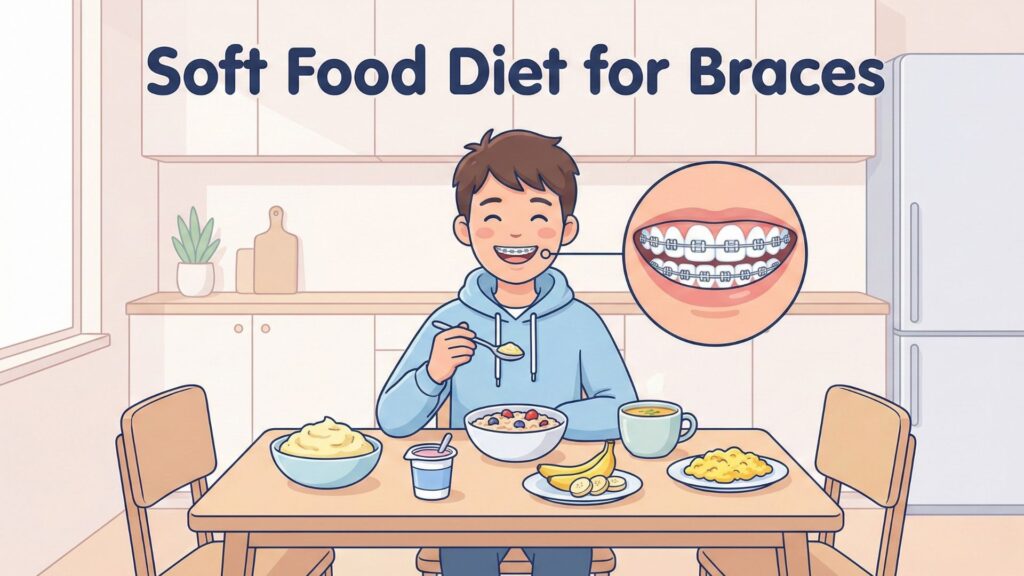
Getting braces is an important step toward a beautiful, confident smile. However, the first few days—and sometimes weeks—can be uncomfortable. This is exactly where a soft food diet for braces becomes essential. Eating the right foods not only reduces pain but also protects your braces from damage and helps your teeth adjust faster.
In this article, we will explore everything you need to know about following a soft food diet while wearing braces. From recommended foods to helpful tips, this guide will make your orthodontic journey smoother and more comfortable.
Why a Soft Food Diet Is Important for Braces
When braces are first placed or tightened, your teeth and gums become sensitive. As a result, chewing hard or crunchy foods can cause pain, irritation, and even broken brackets. Therefore, a soft food diet for braces helps minimize pressure on your teeth while allowing them to move gradually.
Moreover, soft foods reduce the risk of food getting stuck in wires, which improves oral hygiene. Most importantly, they help you continue eating nutritious meals without discomfort.
Best Soft Foods to Eat with Braces
Choosing the right foods is crucial, especially during the initial adjustment period. Thankfully, there are plenty of delicious and healthy options.
1. Dairy Products
Dairy foods are soft, soothing, and packed with calcium, which strengthens teeth.
- Yogurt (plain or flavored)
- Soft cheese
- Paneer
- Milk
- Custard
Additionally, cold dairy items can help reduce soreness and inflammation.
2. Cooked Grains and Cereals
Grains are filling and easy to digest when cooked properly.
- Oatmeal
- Soft rice
- Pasta
- Upma
- Dalia
Furthermore, adding vegetables or lentils makes these meals more nutritious without adding hardness.
3. Soft Fruits and Vegetables
Although raw fruits and vegetables can be hard, cooking or mashing them makes them braces-friendly.
- Bananas
- Avocado
- Applesauce
- Mashed potatoes
- Steamed carrots
- Pumpkin
- Bottle gourd
As a result, you still get essential vitamins without stressing your teeth.
4. Protein-Rich Soft Foods
Protein is essential for healing and strength, especially when your mouth feels sore.
- Scrambled eggs
- Boiled eggs (cut into small pieces)
- Soft tofu
- Lentil soups
- Smooth nut butter
In addition, protein helps keep you full for longer periods.
5. Soups and Broths
Soups are ideal for a soft food diet for braces because they require minimal chewing.
- Vegetable soup
- Chicken soup
- Dal soup
- Tomato soup
However, always ensure the soup is warm—not hot—to avoid sensitivity.
6. Smoothies and Shakes
Smoothies are not only soft but also highly customizable.
- Fruit smoothies
- Protein shakes
- Milkshakes
- Yogurt blends
Moreover, they are perfect for breakfast or as a meal replacement when chewing feels uncomfortable.
Foods to Avoid While Wearing Braces
While focusing on soft foods, it is equally important to avoid certain items. Hard, sticky, or crunchy foods can damage your braces and slow progress.
Avoid These Foods:
- Nuts and seeds
- Popcorn
- Hard candies
- Chewing gum
- Ice cubes
- Raw carrots and apples
- Chips and crackers
Therefore, staying away from these foods helps prevent broken wires and unexpected orthodontic visits.
Tips for Following a Soft Food Diet for Braces
Eating soft foods doesn’t have to be boring. With a few smart strategies, you can enjoy variety and flavor.
1. Cut Food into Small Pieces
Even soft foods can cause discomfort if eaten in large bites. Therefore, cutting food into smaller pieces makes chewing easier and safer.
2. Chew Slowly and Carefully
Rushing while eating can increase pain and cause food to lodge in braces. Instead, take your time and chew gently.
3. Maintain Oral Hygiene
Since soft foods can stick to braces, brushing and flossing after meals is essential. This prevents plaque buildup and bad breath.
4. Stay Hydrated
Drinking plenty of water helps wash away food particles and reduces dryness or irritation in the mouth.
5. Adjust Diet After Tightening Sessions
After each orthodontic adjustment, your teeth may feel sore again. Consequently, returning to a soft food diet for braces for a few days is highly recommended.
Sample Soft Food Meal Plan for Braces
Here’s a simple one-day meal plan to make things easier:
- Breakfast: Oatmeal with mashed banana and milk
- Mid-Morning Snack: Yogurt or fruit smoothie
- Lunch: Soft rice with dal and cooked vegetables
- Evening Snack: Scrambled eggs or paneer bhurji
- Dinner: Vegetable soup with soft bread or pasta
This balanced plan ensures proper nutrition without discomfort.
How Long Should You Follow a Soft Food Diet?
Typically, most people need a soft food diet for braces during the first few days after getting braces or after adjustments. However, some individuals may need longer, depending on sensitivity.
Eventually, as your mouth adapts, you can slowly reintroduce firmer foods—while still avoiding very hard or sticky items.
Final Thoughts
Following a soft food diet for braces is one of the easiest ways to reduce pain, protect your braces, and support effective treatment. Although it may feel restrictive at first, there are countless tasty and nutritious options available.
With the right food choices, proper oral care, and a little patience, your braces journey can be comfortable and successful. Most importantly, remember that every small adjustment brings you closer to a healthy, confident smile.